
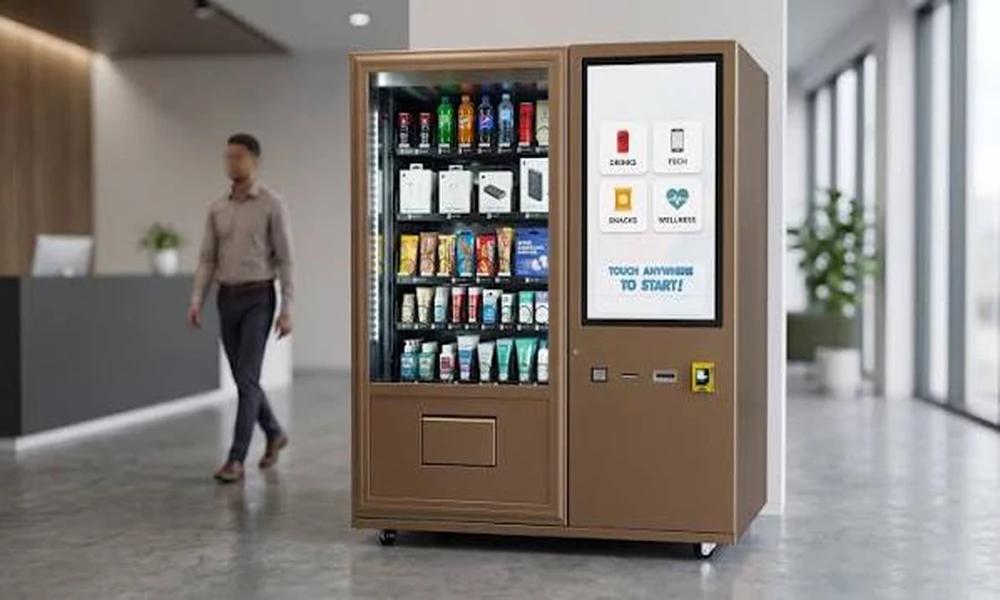
Beyond dispensing snacks and beverages, vending machines are no longer limited. Through IoT integration, they can now be connected to cloud platforms to monitor their performance and share operational data in real time. The way vending machines manage inventory, handle maintenance, and serve customers has also changed. For businesses with multiple vending machines, it offers better control over daily operations. See website to learn more about the role of IoT in innovating vending machines.
1. Real-Time Inventory Monitoring
It may be difficult to manage stock across multiple vending locations. To monitor product availability, IoT-enabled machines use sensors. They also send inventory updates to a central platform. Therefore, operators can easily check which products are selling fast and find vending machines that need restocking. When stock levels fall below a set limit, automated alerts also notify the staff. For businesses, it is helpful to plan delivery routes, avoid empty product slots, and maintain the availability of popular items. Using sales data here, you can also decide which products to offer at different locations.
2. Remote Monitoring and Maintenance
To find technical problems, older vending machines usually require physical inspections. But connected vending machines today can automatically detect issues such as temperature fluctuations, payment failures, coin jams, and more. Before a minor issue causes extended downtime, operators can receive alerts through remote management platforms and arrange repairs. Before visiting the location, technicians can also review machine information. For technicians, it helps to know which tools and replacement parts are required. It reduces unnecessary delays and repeated visits.
3. Smarter Payment Options
Today, modern customers prefer convenient payment experiences. IoT connectivity supports cashless payment options, like credit cards, debit cards, NFC-enabled devices, and mobile wallets. Without cash, they allow customers to purchase products from here. Across different machines, they help operators monitor transactions and review sales performance. Via their digital displays, connected machines can offer product promotions & location-based discounts.
4. Better Customer Experiences
Through purchasing and sales information, IoT technology helps vending operators understand customer preferences. For example, in a gym, a vending machine might stock more protein bars and sports drinks. In an office building, a machine could focus on beverages and daily snacks. Digital screens there can also show relevant promotions and product information. Purchasing therefore becomes more convenient and helps businesses match their product selection with customer demand.
5. Improved Energy Management
Connected vending machines can also monitor power consumption and support adjustments to cooling and lighting systems. Energy-efficient cooling schedules and automated power management are also there to reduce electricity expenses. For businesses operating large vending networks, it is especially useful because energy costs can add up across locations.
Conclusion
By making vending machine operations more connected, IoT is changing them. They help operators manage their vending networks with greater control. As businesses adopt smarter solutions, IoT will change the way machines operate for customers, manage resources, and support long-term business growth. See website to enjoy the perks of IoT today.

