
Core Principles of Sustainable Infrastructure
- True environmental responsibility requires direct access to solar, wind, or hydro power sources.
- Advanced cooling systems significantly lower power usage efficiency ratios in modern facilities.
- Regional hub selection, such as building a data centre in Thailand, enhances clean power supply and digital performance.
- Strategic planning ensures environmental targets match long-term operational needs without sacrificing reliability.
The Growing Environmental Demand on Digital Storage
Every online interaction, streaming video, and cloud computing task relies on heavy server processing. As global reliance on digital services expands rapidly, power consumption across facilities rises at an unprecedented rate. Facility operators face growing pressure from consumers, regulators, and enterprise clients to reduce carbon footprints. Creating a sustainable data centre is no longer just a corporate goal; it has become an essential standard for long-term survival in the digital economy.
Why Is Renewable Energy Essential for Modern Data Centres?
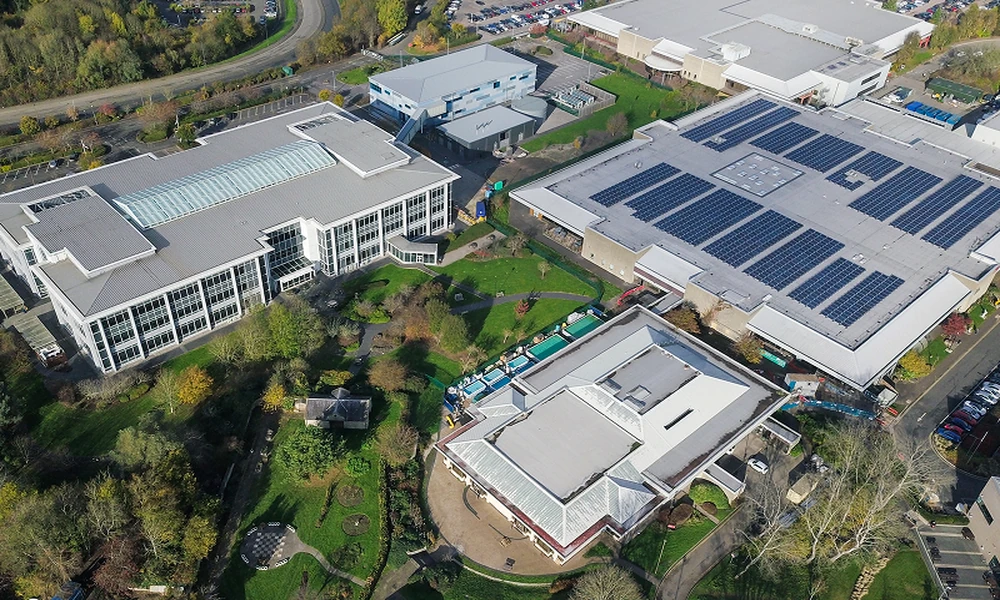
Facilities require huge amounts of electricity day and night to keep servers active and cooled. Relying on traditional power grids driven by fossil fuels creates high operational carbon emissions. Transitioning to green power sources like solar, wind, and hydro power fundamentally alters how facilities impact the planet. By securing direct access to clean energy developments, operators can stabilise long-term energy costs while shrinking their ecological footprint. A truly sustainable data centre incorporates renewable supplies directly into its critical supply architecture, enabling real environmental gains rather than quick short-term fixes.
How Do Advanced Cooling Systems Reduce Energy Consumption?
Server hardware generates massive amounts of heat, making cooling systems one of the highest power consumers in any facility. Traditional air conditioning units draw enormous amounts of electricity to keep temperatures regulated. Modern designs implement liquid cooling, hot-and-cold aisle containment, and natural free-air cooling to dramatically boost efficiency.
To illustrate how these solutions impact energy performance, consider the following key cooling methods:
- Liquid Immersion Cooling: Submerges hardware in non-conductive liquid to absorb heat directly, cutting cooling power needs.
- Direct-to-Chip Cooling: Delivers liquid coolant straight to high-temperature processors for targeted heat removal.
- Free-Air Cooling: Uses cool outside ambient air during favourable weather conditions, reducing reliance on mechanical chillers.
Implementing these methods reduces the overall Power Usage Effectiveness ratio, allowing operators to dedicate more energy directly to computing tasks.
What Role Does Strategic Location Play in Sustainability?
Where a facility is built determines its access to clean power, land availability, and natural resource management. Constructing a data centre in Thailand offers unique regional advantages, particularly within high-tech hubs like the Eastern Economic Corridor. Thailand’s expanding grid infrastructure and commitment to renewable resources make it an ideal environment for low-carbon operations. Strategic location choices ensure facilities connect easily to high-capacity networks while tapping into regional green power initiatives. Furthermore, proximity to growing enterprise markets reduces latency, balancing operational performance with sustainable resource management.
How Can Building Design Support Long-Term Sustainability?
Sustainability extends well beyond daily electricity usage; it encompasses the entire lifespan of the physical facility. Developers now prioritise low-carbon construction materials, energy-efficient architectural layouts, and responsible water management practices. Reusing waste heat for nearby industrial or residential applications provides an innovative way to minimise energy loss. Responsible waste management during construction and equipment upgrades further ensures materials are recycled or repurposed. Building with future expansion in mind prevents unnecessary demolition and rebuilds, protecting local ecosystems while maintaining top-tier performance standards.
Building a Greener Digital Future
Achieving genuine environmental responsibility requires integrating renewable power, advanced cooling technologies, and intelligent site selection into a unified strategy. As demand for digital capacity accelerates, facility operators must lead the transition toward zero-carbon operations.
Reach out to us at K2 Strategic to discover how our clean energy initiatives and modern facility designs are driving responsible digital infrastructure across the region.

